The Science of Scent: New 2026 Research on Waterless Nebulization
As the global aromatherapy market is projected to reach over $4.3 billion by 2033 (according to Grand View Research), the focus of 2026 wellness research has shifted from simple "fragrance" to "bioavailability." Recent studies from the Global Wellness Institute (GWI) and clinical insights from organizations like the Mayo Clinic are confirming what luxury enthusiasts have long suspected: how you diffuse your essential oils is just as important as the oils themselves. For the Charabanc Fragrances community, this data validates the move away from traditional water-based methods toward advanced nebulization.
1. The "Fine Particle" Breakthrough (MMAD)
Recent pharmaceutical studies published in the International Journal of Molecular Sciences (2025) have highlighted the importance of Mass Median Aerodynamic Diameter (MMAD) in essential oil delivery.
-
The Findings: For aromatherapeutic compounds to effectively linger in the air and be absorbed by the respiratory system, they must be broken down into particles smaller than 5 microns.
-
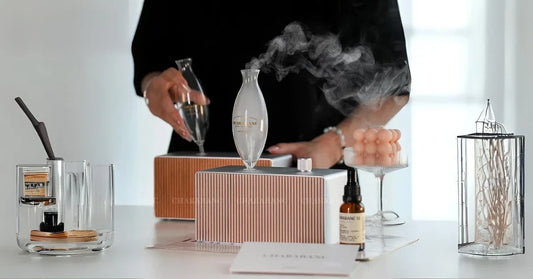
The Charabanc Fragrances Advantage: Unlike ultrasonic diffusers that create heavy, water-bound droplets, Charabanc’s Pure Nebulization Technology atomizes oils into microscopic "dry" particles. These particles remain airborne for extended periods, ensuring higher bioavailability compared to traditional mist.
2. Preserving the "Molecular Integrity"
Research published in the International Journal of Aromatherapy (updated 2025) emphasizes that heat is the enemy of essential oils.
-
The Finding: Even low levels of heat can alter the chemical profile of delicate oils like Lavender or Bergamot, denaturing the very compounds responsible for stress relief.
-
The Charabanc Fragrances Edge: Because our diffusers use cold-air pressure, the oil’s molecular structure remains 100% intact. You aren't just smelling a scent; you are interacting with the plant's original, unadulterated chemistry.
3. Indoor Air Quality (IAQ) and the "Water Problem"
The American Lung Association and 2025 IAQ reports have raised concerns regarding ultrasonic "bio-aerosols."
-
The Risk: Water-based diffusers can accidentally disperse mold spores or "white dust" (mineral buildup) if not cleaned daily.
-
The Clean Alternative: Waterless nebulizers are now being recommended in "Healthy Home" certifications because they eliminate the standing water reservoir entirely. This Zero-Mold Risk makes it the gold standard for individuals with allergies or respiratory sensitivities.
| Scientific Metric | Ultrasonic (Water-Based) | Charabanc (Waterless) |
| Particle Size | 5–10 Microns (Heavy) | < 5 Microns (Light/Dry) |
| Purity Level | Diluted with Water/Minerals | 100% Pure Essential Oil |
| Bioavailability | Lower (Requires more oil) | Higher (Efficient Absorption) |
| Contamination Risk | High (Mold/Bacteria) | Zero (Dry Technology) |
2026 Gifting Trend: The "Medical-Grade" Luxury Gift
Market analysts at SkyQuest (2025) note that consumers are moving away from "cheap plastic diffusers" and toward sustainable, high-performance materials like glass and steel. This shift has placed Charabanc Fragrances at the intersection of Medical-Grade Efficacy and High-End Interior Design.
When you gift a Charabanc Fragrances diffuser, you aren't just gifting a home accessory—you are gifting a scientifically-backed tool for wellness, mental clarity, and a cleaner home environment.
Science & Performance: Frequently Asked Questions
Q: How does cold-air nebulization differ from ultrasonic diffusion?
A: Ultrasonic diffusers use electronic frequencies to vibrate water, creating a mist that is 90% water and 10% oil. Cold-air nebulization uses high-pressure airflow to atomize 100% pure essential oil into a dry, microscopic mist. This prevents humidity buildup and ensures the oil’s therapeutic compounds are not diluted.
Q: Is waterless diffusion safer for indoor air quality?
A: Yes. Scientific reports indicate that water-based diffusers can disperse "bio-aerosols" (mold or bacteria) if the reservoir is not cleaned daily. Because Charabanc diffusers are waterless, they eliminate the risk of mold growth and "white dust" mineral deposits, making them the preferred choice for those with respiratory sensitivities.
Q: Does the nebulization process change the chemical structure of the oil?
A: No. Unlike candles or heat-based plug-ins that can denature the delicate chemical bonds of essential oils, nebulization is a heat-free process. By maintaining the oil at room temperature, the molecular integrity and aromatic profile of the botanical extracts remain 100% intact.
Q: Why is the "micron size" of the mist important?
A: Particle size determines how long a scent stays in the air and how effectively it is absorbed. Our nebulizing technology creates particles smaller than 5 microns. These "dry" particles are light enough to remain suspended in the air for hours, providing a more consistent and efficient fragrance journey compared to heavy, water-bound droplets.
Q: Can I use "fragrance oils" in a scientific-grade nebulizer?
A: To ensure optimal performance and health benefits, we recommend 100% pure essential oils. Synthetic fragrance oils often contain thickeners or "fillers" that can clog the precision glass tubes of the nebulizer and do not offer the therapeutic benefits found in pure plant extracts.